Urinary Incontinence After Delivery There Are Solutions: All Natural Ob Gyn & Midwifery: Licensed Nurse Midwives
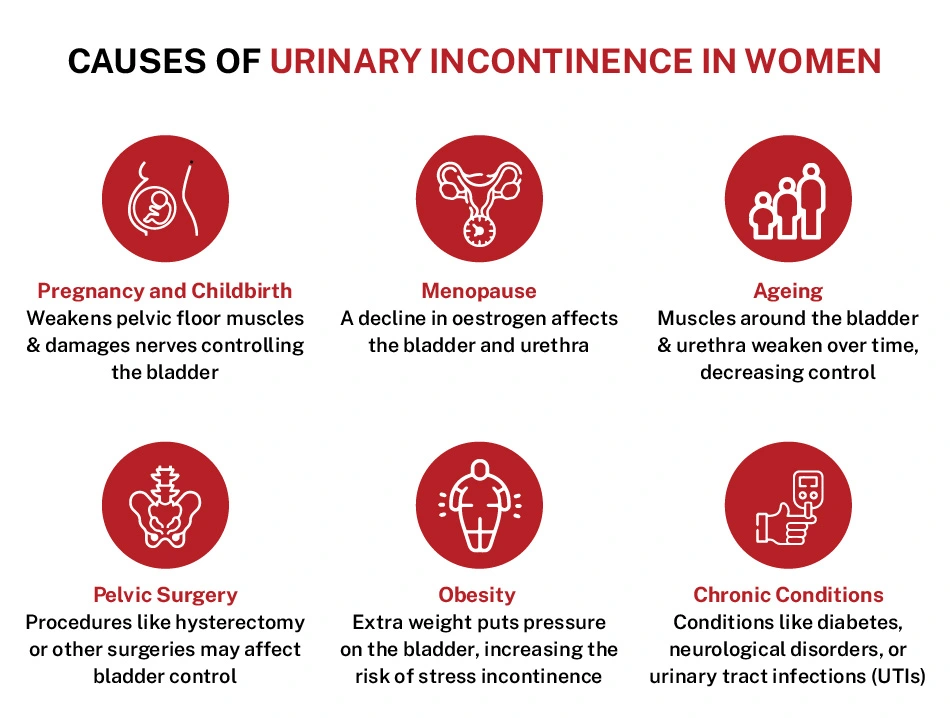
Exactly How To Deal With Postpartum Urinary Incontinence You might need temporary help from urinary incontinence medicine or assistance tools to help relax your bladder and control urine flow. Some tools, such as a pessary, can be put in the vaginal canal to sustain the bladder and rectum and aid the bladder fully empty. Various other devices like bladder slings may likewise be operatively placed to deal with urinary incontinence signs and symptoms. You can blame this usual postpartum symptom on the pregnancy- and delivery-weakened muscular tissues around the bladder and hips, which might have a more difficult time controlling your circulation after childbirth. Kegels function by strengthening the musculature of the pelvic flooring, which provides the urethra something to press versus to prevent pee from coming out. The recommended kegel regimen is 3 sets of eight-to-12 tightenings held for eight-to-10 secs each, 3 times a day. If injury results from a delivery, the weakened assistance of the bladder, rectum or uterus may cause going down of these body organs right into the vagina. Dropping of any one of these organs is called pelvic relaxation, or prolapse. The muscle mass and supporting InterStim therapy cells that are over the vaginal canal and that hold the bladder up are weakened or torn, enabling the bladder to fall into the vaginal area. This bulging of the bladder right into the vagina is called bladder prolapse, or a cystocele (see fig 1).
Some individuals might likewise create impulse urinary incontinence after having an infant.
Also if your signs and symptoms boost, urinary system incontinence can come back if you quit doing the exercises.
As a RN that's worked in geriatrics for over 14 years, I know very first hand that changes in bladder control can be a common component of aging.
An organized evaluation on the occurrence of post-partum UI and the connection to the setting of shipment was published in 2010 [13]
Dropping of any of these body organs is called pelvic relaxation, or prolapse.
Did We Address Your Concerns About Urinary System Incontinence?
What does postpartum urinary incontinence feel like?
Around 1 in 3 ladies experience urinary system incontinence after having an infant. After delivering, you might leakage pee when you laugh, coughing, sneeze, lift something or workout. Maternity hormonal agents, the weight of your womb and having a vaginal birth can all extend the pelvic flooring muscles that support your bladder.
Exercising these muscle mass during pregnancy has actually been revealed to decrease urinary incontinence while pregnant and right after distribution. Correct pelvic flooring activation and gradual filling prescription reestablish feature and self-confidence for running, jumping, or lifting without humiliating accidents. Restore control over your pelvic floor function and change task without avoiding your passion. Call today to overcome postnatal pelvic floor obstacles hampering an energetic way of life. Recurring mild mobilization treatment additionally soothes lingering mark tissue or adhesions, alluring nerves and compromising recovery. Long-term urinary incontinence after having a child isn't typical, and it's important to acknowledge the indicators so you can get the treatment you need. Specific foods and drinks can irritate the lining of your bladder, causing raised urgency, regularity, or leak. Common bladder irritants consist of high levels of caffeine (found in coffee, tea, delicious chocolate, and some sodas), carbonated drinks, alcohol, hot foods, artificial sweeteners, and acidic foods like citrus fruits and tomatoes.
Hormone Changes And Urinary System Incontinence In Ladies
After shipment, gentle motion such as strolling, extending, or targeted pelvic floor workouts can aid your body heal, support bladder control, and increase your energy. The length of time you experience incontinence after birth relies on the precise reason and your treatment. Consequently, it is essential to look for clinical suggestions if you observe bladder leakages or various other urinary incontinence signs.
Connective Cells
You and your medical professional or nurse will collaborate to produce a therapy strategy. If these steps do not improve your signs and symptoms, your physician or nurse might recommend various other treatments depending on whether you have tension incontinence or advise incontinence or both. A lot of problems with bladder control while pregnant vanish. after giving birth when the muscular tissues have had time to heal. Interestingly, a lengthened labor or pushing stage prior to a cesarean is carried out makes it most likely nerve damage has actually already taken place also if the baby is ultimately delivered by cesarean. Over time and with age, the regular supporting tissues of the bladder, rectum and womb deteriorate, adding to the effect of giving birth injury. During the early stages of maternity, blood flow to the kidneys can boost by Bethanechol 35 to 60 percent. This additional blood circulation can make the kidneys generate up to 25 percent a lot more urine right after conception. Boosted urine manufacturing goes to its height at 9 to 16 weeks of pregnancy and tapers below there.Do you leakage some urine every single time you cough, sneeze, work out, or laugh?