Incontinence After Giving Birth: What You Need To Recognize Obgyn Doctor And Surgeon Located In Conroe, Tx Ob Gyn Partners Of Conroe A progressive loading continuum allows flexible capability to develop gradually without compeling recuperating muscle mass and connective cells past risk-free thresholds. You're possibly attracted to cut back on your water intake but that's not a great idea. Otherwise, you could end up with dehydration or an undesirable UTI.
The length of time does bladder incontinence last after childbirth?
For some people urinary system incontinence will certainly deal with spontaneously as the pelvic flooring heals. After a couple of weeks postpartum you must start to discover signs and symptoms boosting. If you discover symptoms are not boosting by 6 weeks postpartum or if you ever before discover signs and symptoms worsening, it is time to connect for aid.
Ways To Manage Postpartum Urinary System Incontinence After Giving Birth
If you presume something in your diet is making symptoms even worse, attempt tracking what you drink and eat and seeing exactly how your bladder feels afterward. Progressively lowering or removing thought triggers can aid you figure out what works best for your body and support better postpartum bladder control. Postpartum urinary system incontinence is uncontrolled or unintended loss of urine after maternity and childbirth. You might need short-lived aid from urinary incontinence medication or support tools to aid unwind your bladder and control pee circulation. Some tools, such as a pessary, can be placed in the vaginal area to support the bladder and anus and help the bladder totally vacant. Other devices like bladder slings might additionally be operatively put to deal with incontinence signs and symptoms. You can blame this usual postpartum signs and symptom on the pregnancy- and delivery-weakened muscle mass around the bladder and hips, which may have a more challenging time regulating your flow after giving birth. Kegels function by strengthening the musculature of the pelvic floor, which gives the urethra something to compress versus to prevent pee from coming out. The suggested kegel program is 3 sets of eight-to-12 contractions held for eight-to-10 secs each, 3 times a day.
The Female's Facility uses remarkable ladies's wellness solutions at several locations in Orlando, St. Cloud, Altamonte Springs, Oviedo, Winter Park, Lake Nona and Party.
Make use of the restroom every 30 minutes to an hour, after that try to expand the time in between urinations each day.
After you have actually totally recuperated from giving birth, talk to your doctor regarding your urinary incontinence and begin taking steps to restore control of your bladder.
Additionally, your brain obtains signals from the nerves in your bladder, so you understand when you need to visit the washroom and relieve on your own.
If regular nighttime peeing is a trouble, don't consume fluids three to four hours prior to bed.
Research studies have actually discovered it's even more common when comprehensive tearing occurs throughout birth.
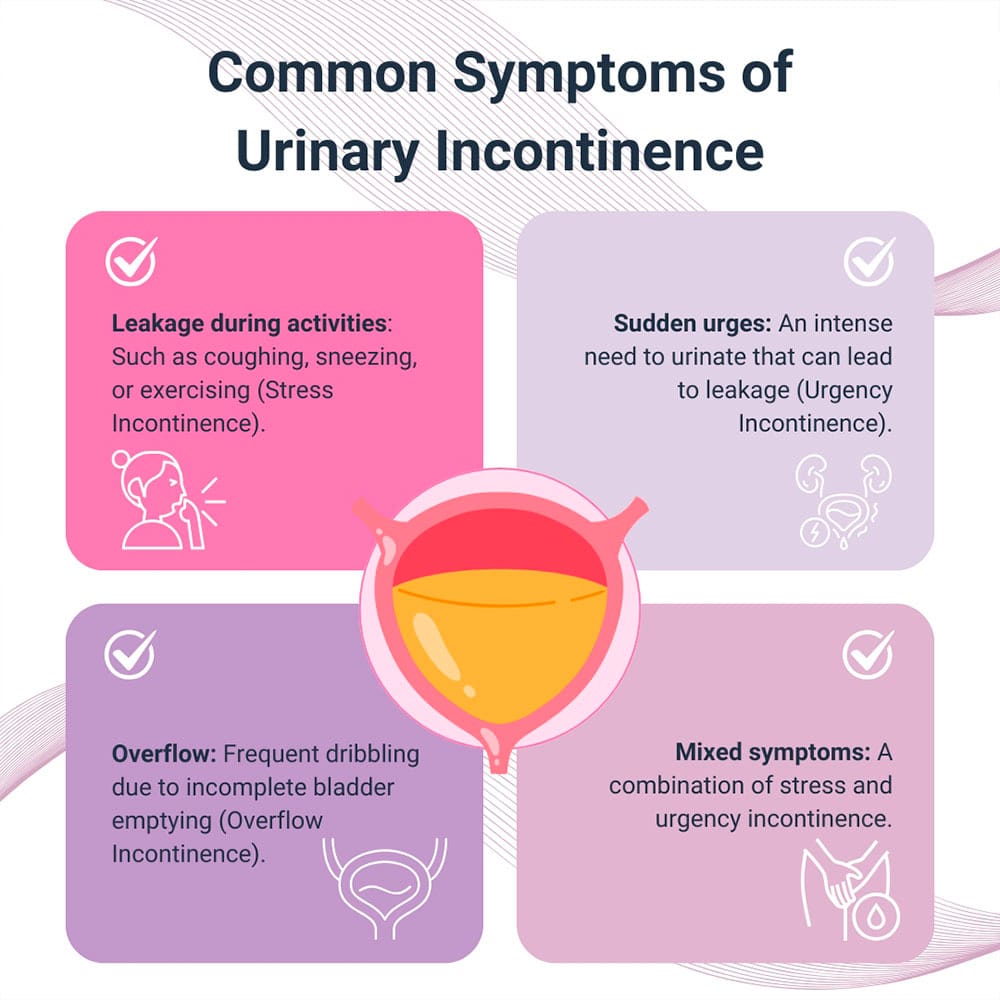
Consuming much less than the advised amount may cause dehydration. If the need to visit the washroom maintains you up in the evening, attempt consuming more fluids throughout the day and cutting down a couple of hours prior to bed. Some women, however, stay incontinent for a lot longer after delivery. This is because genital delivery impacts the pelvic flooring muscles and the nerves that impact bladder control. Pelvic muscle mass weaken and stretch during and after pregnancy, which can trigger a loss of bladder control. The elaborate layering of receptive muscular tissues, connective cells, and anxious input interact, offering air-tight closure of the urethra and anorectum - maintaining components secured safely within. The intricate split hammock of muscle mass extending inside the bony pelvis, consisting of the levator ani, coccygeus, and circular external urethral sphincter, operate in collaborated unison, providing vital support. This enables the bladder, womb, anus, and tiny intestine to keep appropriate physiological positioning against gravitational forces despite having vibrant body positioning modifications. At the same time, this energetic sling stabilizes hip biomechanics and the lumbar spinal column, enhancing efficient load transfer down the kinetic chain with activity. Pregnancy incontinence is a normal event complying with the distribution of an infant; nevertheless, there are some ways you can help avoid it or improve bladder control. The pudendal nerve inputs electric motor control by contracting and kicking back pelvic floor muscles in a worked with series. Intact pudendal nerve function maintains continence systems functioning. Postpartum experiences vary extensively amongst females and one typical challenge many face is urinary system incontinence, specifically during tasks like running. This post checks out the prevalence of urinary incontinence postpartum, its influence on ladies's lives, and the role of Urinary Core and pelvic Floor Rehab in resolving this concern.
Does Childbirth Unavoidably Lead To Incontinence?
Yet know that in the vast bulk of situations, pads only require to be a short-term option. MUTU assists you to recover and reinforce your pelvic floor, providing you back regulate. Your signs may vanish totally, you might observe a renovation in your symptoms yet still have some leakage, or you might not see any kind of enhancement in any way. Yet also if your signs don't improve, Kegel workouts can help stop your incontinence Visit this website from worsening. This added stress and anxiety or stress on the bladder and urethra can create urinary incontinence or leakage. Postpartum urinary system incontinence frequently improves as your pelvic flooring muscular tissues and tissues recoup after pregnancy and giving birth. Gentle stretches, targeted exercises, and straightforward way of living adjustments can assist quicken your healing and reduce pee leaks. Regular physical activity assists support your total wellness and can play an essential role in stopping and taking care of postpartum urinary incontinence. Remaining active before distribution keeps your muscular tissues-- specifically your core, hips, and pelvic floor-- solid and worked with, much better preparing your body for birth and healing. Empirical research studies, released between January 1998 and March 2020 and reporting on prevalence and occurrence in between 6 weeks and 1 year post-partum, were included, regardless of kind of UI or setting. We used a random impacts model with subgroup evaluations for post-partum period, parity and Find more information subtype of UI. At the same time, compromised pelvic flooring coordination fails to press the urethra rapidly, keeping contents locked behind urethral sphincters as excess pressure goes through the core. This untimely launch of urine versus your will categorizes as SUI. While there are lots of therapy choices, they can take time to lower signs. To help make sure that the spontaneous leak of urine isn't influencing your life too seriously, bladder control items and incontinence items are an excellent alternative. Byram Health care has a wide variety of incontinence items to aid.